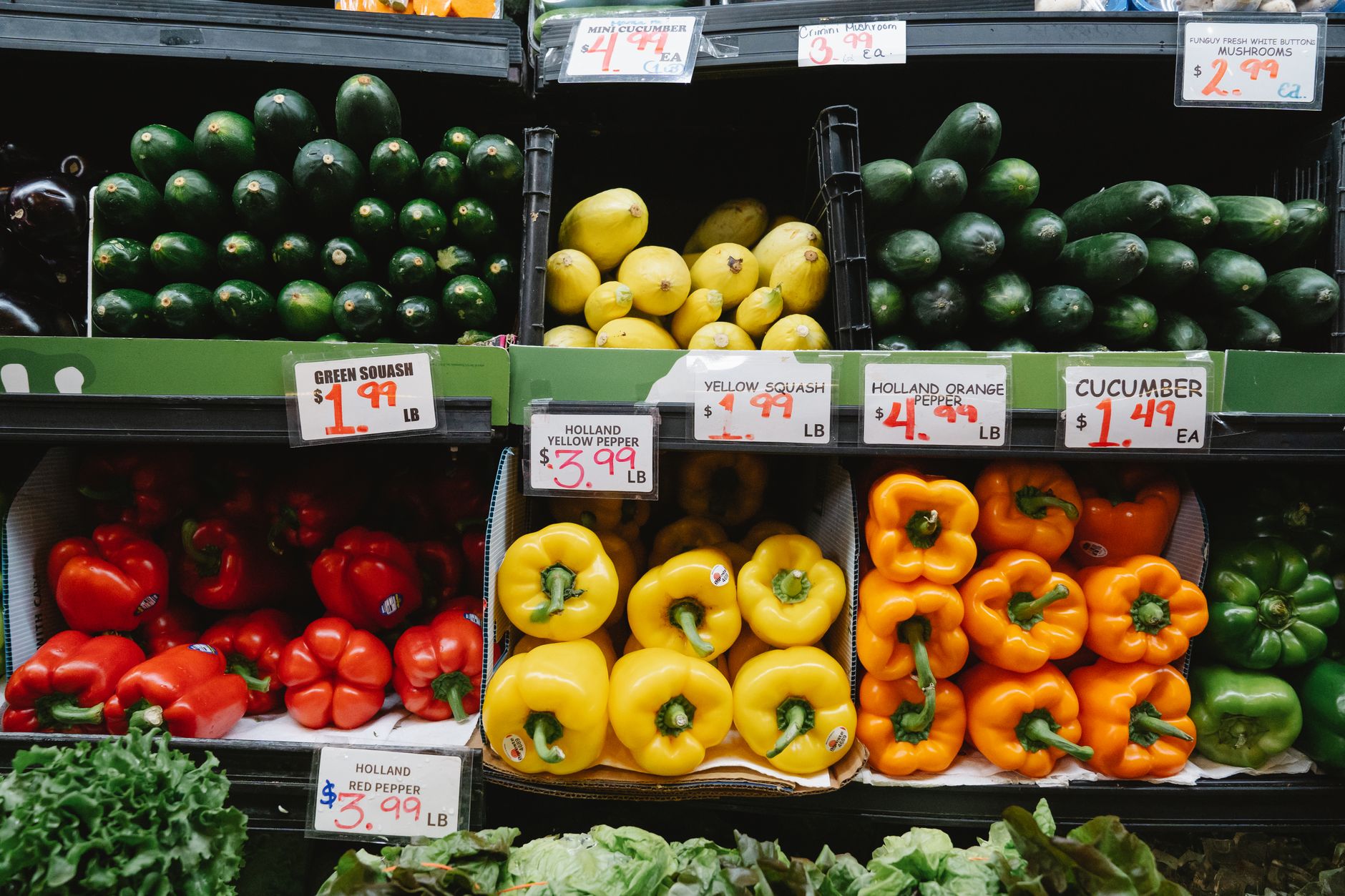
The horticultural sector moved from red to yellow on Coninagro's traffic light in September, driven by price increases of more than 50% in carrots, onions and tomatoes. Squash led October's increases with 58.2% month on month and a cumulative 257%.
Argentina's horticultural sector abandoned in September, at least circumstantially, the group of regional economies in the red and moved into the yellow of the traffic light prepared by Coninagro. The improvement was mainly driven by a strong rebound in prices, in a context in which the activity still faces high costs and sustained growth in imports.
According to Coninagro's survey, in September carrots recorded an increase of 58%, onions 45% and tomatoes 28%, amid a generalized rise. On average, vegetables sold for 34% more than in August and, in the year-on-year comparison, the price doubled.
The jump also came with a favorable data point: even discounting inflation, vegetable prices stood 18% above the average of the last five years, which represents a real recovery for an activity that had been lagging behind.
In October, squash was the big protagonist. According to the consumer price index (CPI) measurement by Indec, that vegetable led the increases with 58.2% month on month, largely because of the drought that hit the northern Chaco region, and accumulated a rise of 257% in the last ten months. Onions, for their part, rose 25% in October and have now posted an increase of 234% in the year.
Although it momentarily detached itself from the situation faced by yerba mate, rice, wine and grape must, cotton, milk, cassava, forestry products and sweet citrus, horticulture has known crisis for a long time. According to Coninagro's historical record, since 2018 the activity was 42% of the months in red, the same proportion in yellow and only 17% of the time in green.
Where it did reverse the trend is in the prices received by the producer: in September, vegetables stood above historical averages and the producer had a 39% share, five points above the average value.
The trend also responds to how each production chain is organized. "In those with a higher level of industrialization or transformation, such as wheat, yerba mate or wine, the producer's share tends to be lower. In products with a lower level of processing, such as some vegetables or potatoes, the proportion that remains in the producer's hands tends to be higher," the report illustrates.
The yellow indicator also reflects the sector's counterweights, among them imports, which are growing faster than exports. In the last twelve months, sales abroad increased 25%, while the inflow of vegetables from other competitors rose 30%.
Horticulture ranks among the "economies with import pressure", with a ratio of 42% in 2026: for every 100 dollars the sector exports, 42 are spent on purchases from abroad. In the last twelve months, the sector exported vegetables for USD 54 million and imported another USD 24 million, with a favorable balance even though purchases are growing faster than sales.
Import pressure is among the highest of the whole set of sectors, though below the poultry (44%) and cotton (77%) chains, and far from the so-called "deficit economies", in which the inflow of foreign currency is insufficient to cover import spending, such as cassava, pork or the forestry sector.