The US Congress faces a five-week session in which it must approve funding before December 11 to avoid a shutdown, as well as unblock the farm bill and decide on permitting reform, which divides Democrats.
The United States Congress enters its end-of-year session with a five-week agenda in which it must avert a government shutdown, unblock the farm bill and decide the future of energy permitting reform, which now divides Democrats on the eve of its vote in the Senate.
Although voters gave Democrats control of Congress in the midterm elections, Republicans will remain in charge of both chambers during the session that began Monday, November 9, and runs until the new legislature begins in January.
The immediate priority is to pass a funding law before December 11 to avoid another government shutdown. Congress already used a stopgap measure to keep federal programs running after the start of the fiscal year on October 1. Since Democrats and Republicans do not have time to negotiate the twelve full-year appropriations bills, which would total around $1.9 trillion, lawmakers will have to resort to another stopgap spending bill that extends funding into next year, when Democrats will lead the negotiation with President Donald Trump.
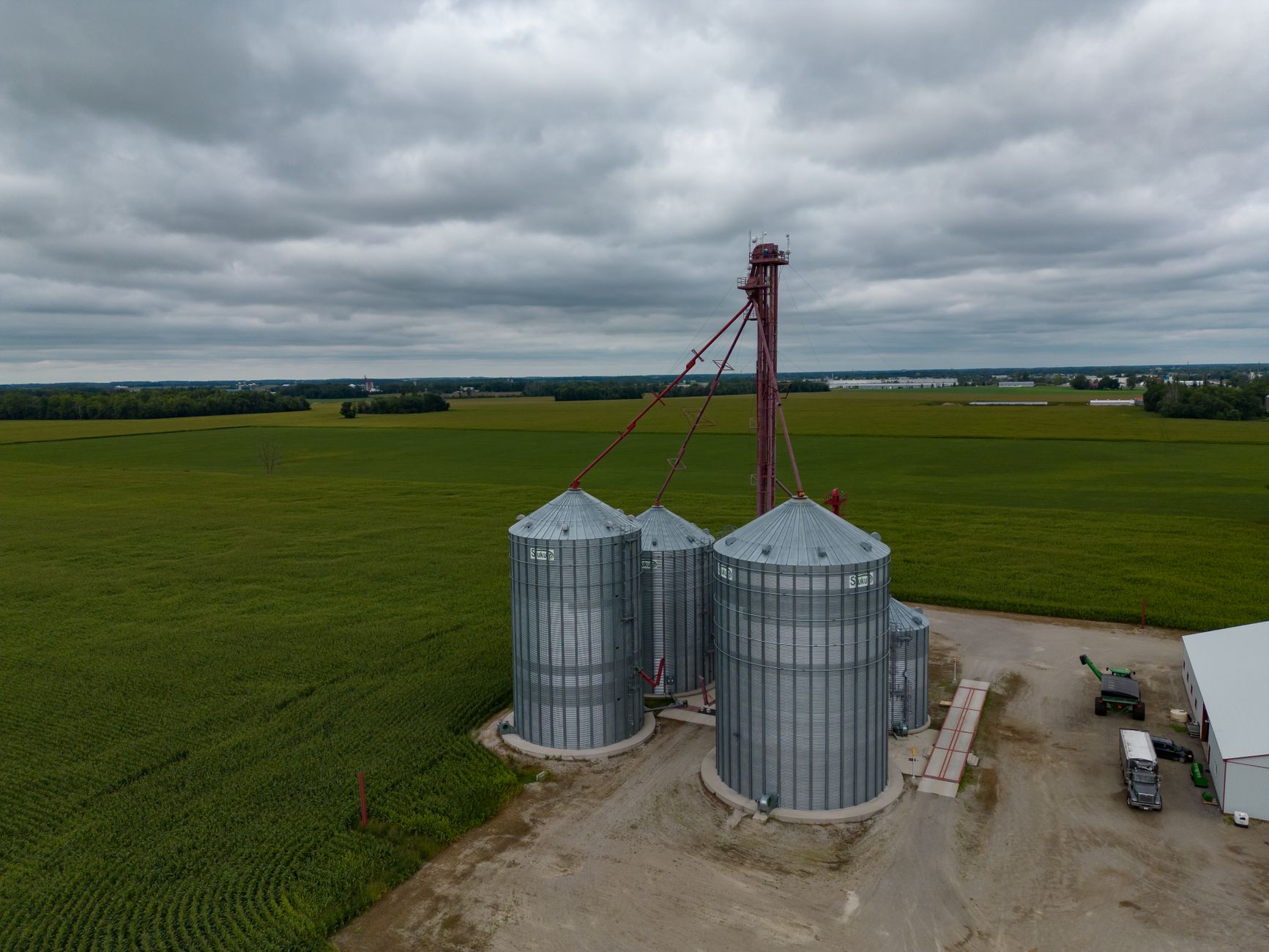
The farm bill, a broad package of agricultural aid and nutrition programs, should have become law years ago, but it remains stalled by disagreements between the parties. The Senate Agriculture Committee approved its version in September, though without bipartisan backing.
The committee's chairman, Republican John Boozman, said: "Family farmers contending with numerous challenges to their viability cannot afford another farm bill delay. Producers and rural communities are counting on us to deliver the predictability, certainty and support that a modernized farm bill provides. Congress has the opportunity to show them we understand how urgently they need these critical updates, and I remain committed to helping get them signed into law this year."
The chairman of the House Agriculture Committee, Republican Glenn "G.T." Thompson, maintained that "moving a full, five-year farm bill across the finish line remains one of my top priorities as we look to the remaining legislative days of 2026. American producers and consumers cannot afford to wait any longer." Democrat Angie Craig, the committee's ranking member, called for including year-round E15 sales, robust funding for conservation programs and addressing the unfunded SNAP mandate that, she said, Republicans imposed on states and counties.
Congress could also close a deal on the National Defense Authorization Act (NDAA), which lawmakers have approved annually for more than 60 years. House Armed Services Committee Chairman, Republican Mike Rogers, called it his highest priority and warned that failing to pass it would weaken American deterrence and abandon critical support for the men and women in uniform, including a pay raise and better access to healthcare and childcare.
Also on the agenda is a college sports bill that the Senate approved earlier this year and on which House Republican leadership will have to decide whether to hold a vote. A spokesperson for the Senate Commerce Committee noted that "there is no realistic path to secure the same broad, bipartisan support for a new bill in 2027 and beyond," and that passing it in this session would give House Republicans "a significant win" for President Trump and student athletes.
The bipartisan BAAJA (Bipartisan American Affordability and Jobs Act) seeks to reform federal environmental permitting laws, especially for energy projects, and protect consumers from rising power grid costs due to the surge in artificial intelligence data centers. After an initial procedural vote, the Senate is expected to put it to a full vote early next week.
The initiative divides Democrats: it is backed by Senator Sheldon Whitehouse, Minority Leader Chuck Schumer and Martin Heinrich, who could chair the Senate Energy Committee next year, while Jeff Merkley and Tammy Duckworth oppose the current text as insufficient, and House Minority Leader Hakeem Jeffries has expressed reservations. "Our permitting legislation will bring clean (lower cost) energy on the grid faster, meaning real savings for families on their bills. BAAJA is our way to a cleaner, more affordable future," Whitehouse said.
Republicans widely back the measure, from President Trump to energy policy leaders, and the editorial board of The New York Times urged Congress to pass it before the legislative period ends. "The bill's Democratic skeptics are making a mistake. President Trump would almost certainly veto a follow-up bill next year," the newspaper published. The environmental group Earthjustice instead called for postponing the debate until next year to address issues such as water and endangered species.
Senate Republicans plan to use the remaining time to confirm nominees, with judges as a priority, before the mid-December holidays. Senator Kevin Cramer maintains holds on several Trump nominees to pressure the administration to eliminate a Joe Biden-era rule on wetlands easements, although he has been releasing some of them after a visit by the Fish and Wildlife Service director to North Dakota in October.
Off the floor, House Republicans will vote behind closed doors to choose their leader in the minority: Speaker Mike Johnson announced he will not seek to remain at the helm, leaving a contest between Steve Scalise and Jim Jordan. The House could also change its rules to address ethics violations committed by lawmakers in recent years.