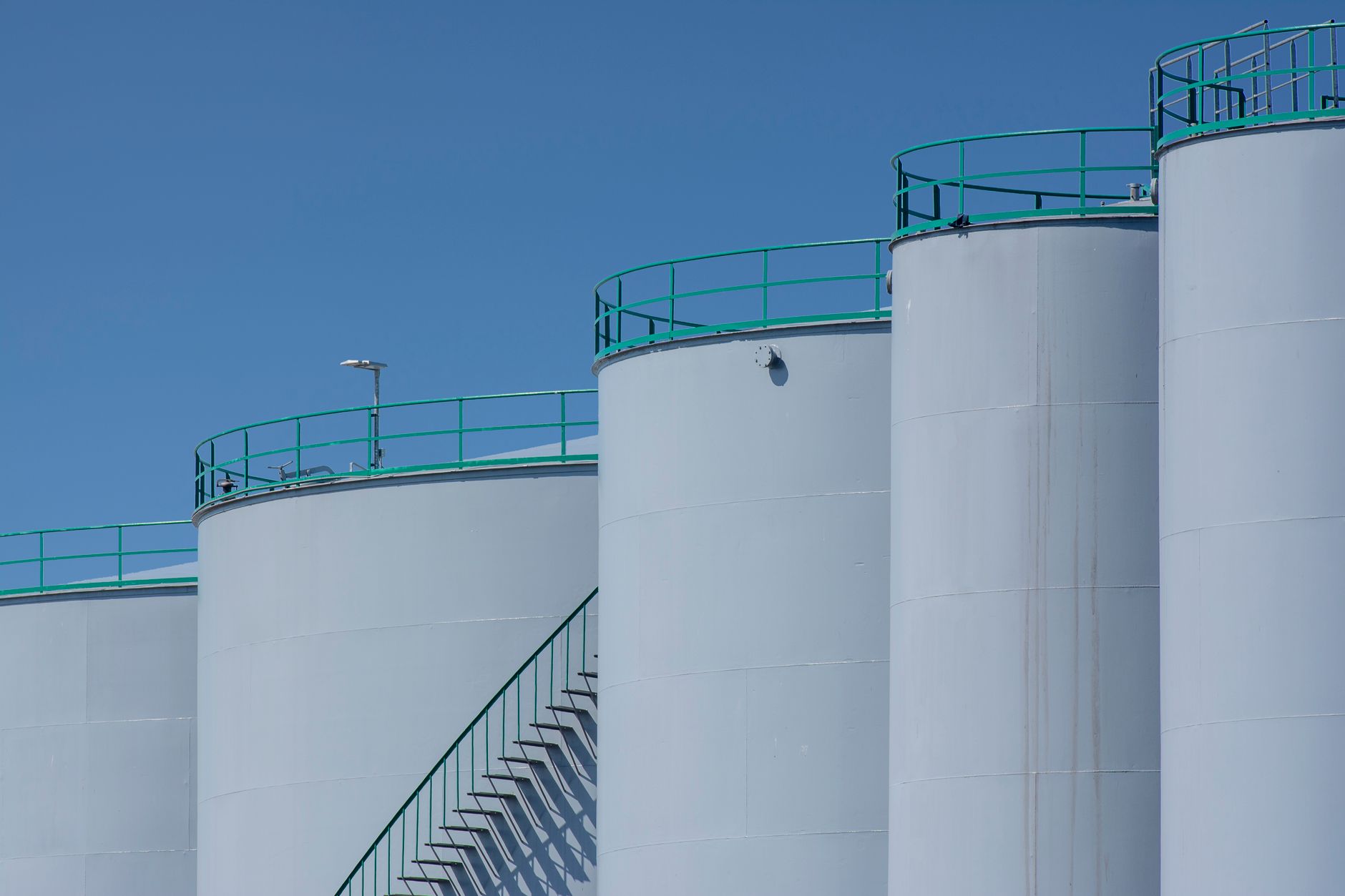
Six senators from both parties accused Donald Trump's administration of violating the 2022 law that prohibits imports of Russian energy, after sanctions on diesel were lifted. The price averaged $6.20 per gallon, 67% more than a year earlier.
A bipartisan group of six U.S. senators accused Donald Trump's administration of violating the 2022 law that prohibits imports of Russian energy while the war with Ukraine continues, after the Treasury Department lifted sanctions on Russian diesel.
The move came after a call that President Trump said he held on October 9 with Russian President Vladimir Putin. As a result, the Treasury Department's Office of Foreign Assets Control removed sanctions against the "import sale, delivery, offloading, or importation" of Russian diesel. Diesel prices have skyrocketed in recent months during Trump's war against Iran.
The administration did not consult with Congress before lifting the sanctions, a requirement of the 2022 law, the six senators said Sunday in a statement. Republicans Susan Collins (Maine), John Curtis (Utah), Lisa Murkowski (Alaska) and Thom Tillis (North Carolina) joined Democrats Jeanne Shaheen (New Hampshire) and Richard Blumenthal (Connecticut) in calling on Trump to "immediately reverse course." Shaheen is the ranking Democrat on the Senate Foreign Relations Committee.
"Congress explicitly banned Russian energy imports in 2022 to prevent American dollars from financing Putin's brutal war against Ukraine. Congress was clear: the U.S. should not import oil from Russia until it ends its aggression against Ukraine and ceases threats against our NATO Allies. President Trump's decision to allow Russian diesel imports to the U.S. runs directly counter to that law," they wrote.
The law passed the Senate unanimously and the House by 413 votes to 9 before President Joe Biden signed it in April 2022, shortly after Russia's invasion of Ukraine. The measure allows the president to lift sanctions on Russian energy imports, after consulting with Congress, if Russia has withdrawn from Ukraine, recognized Ukraine's right to independence and poses no immediate threat to any NATO member.
In a statement Monday, Rep. Lloyd Doggett, a Texas Democrat who sponsored the 2022 law blocking imports of Russian energy products, also called the administration's move illegal.
"Trump is directly violating that law, lifting sanctions to permit the first Russian diesel imports into the United States since the law took effect, without satisfying the specific legal conditions it requires. He illegally rewards his pal Putin while once again blaming Zelensky for not capitulating to Putin. Meanwhile, every day Putin murders more Ukrainian civilians," Doggett wrote.
Throughout his second term, Trump has tried to use trade policy, including an aggressive tariff agenda, to extract concessions from foreign governments. But reopening Russian energy imports appears to break with that record: Trump did not announce any concession offered by Russia to re-enter the U.S. market and instead framed the move explicitly in domestic economic terms.
"Between our TOTAL CONTROL of the Strait of Hormuz and this great announcement on Russian Energy, Diesel Prices for Americans and, indeed, the World, will be COMING DOWN, IN RECORD NUMBERS, AND FAST. Lower prices for Americans, especially our Great Farmers, Ranchers, and Truckers, is my Greatest Priority. This is a very big and important announcement," he wrote on social media Friday.
The agreement is in effect until April 7, 2027. The nationwide average price for a gallon of diesel last week was $6.20, according to the U.S. Energy Information Administration, an increase of $2.49, or 67%, from a year earlier.
The price of fuel, including diesel, and other consumer goods is among the top campaign issues for the November 3 midterm elections. Diesel prices are especially important in farm states such as Iowa, Kansas and Texas, where Democrats in Senate races are polling unusually well this year. Spokespeople for the White House and the Treasury Department did not respond to messages seeking comment Monday.