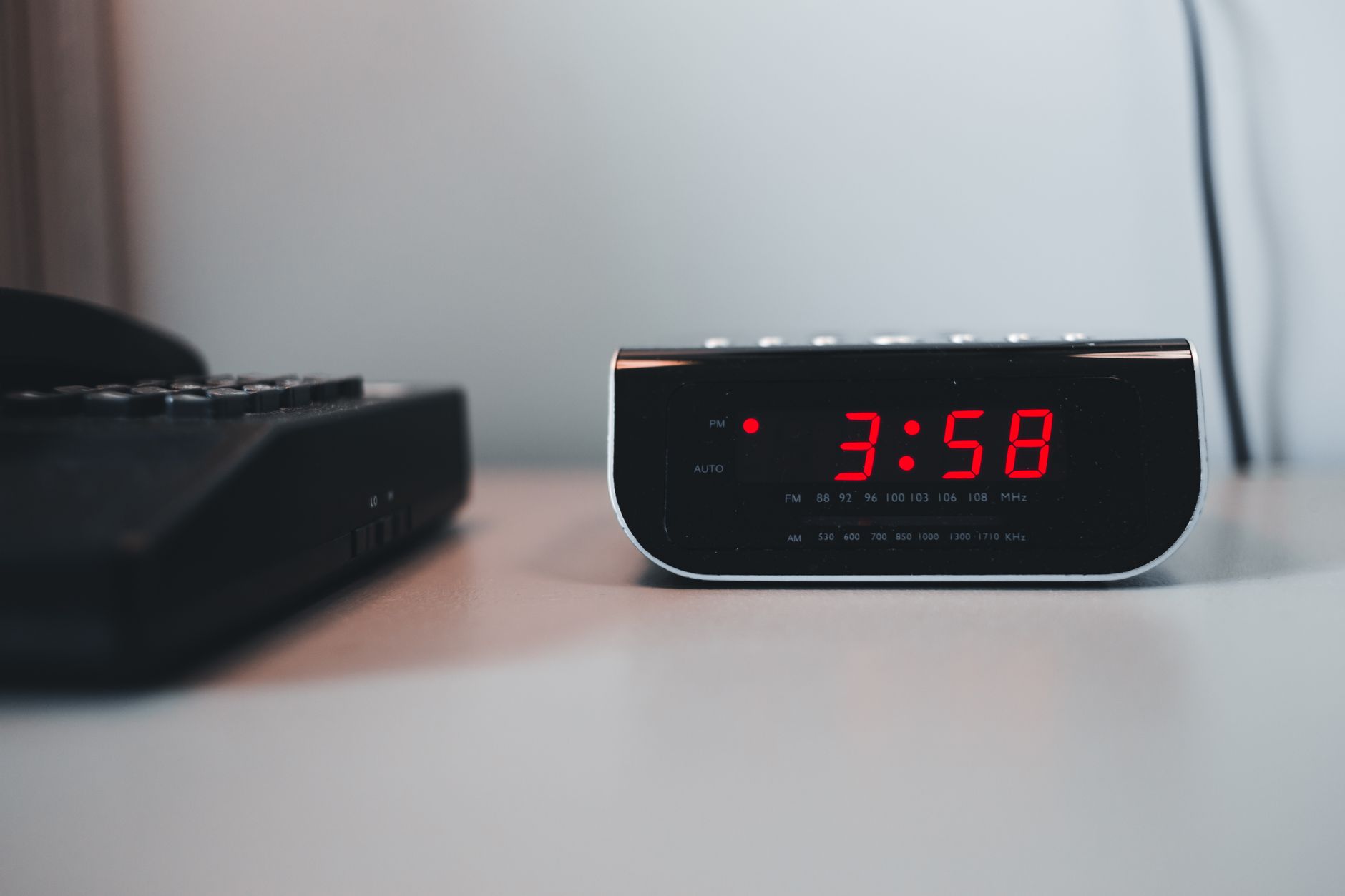
The Sunshine Protection Act, passed by the House by a 308-117 vote, is stalled in the Senate and would need 60 votes to move forward. The country will set its clocks back this Sunday and will likely move them forward again on March 8, 2027.
Most of the country will return to standard time this Sunday morning, and Congress could decide as early as next month whether it will be the last time people have to change their clocks. President Donald Trump wants year-round daylight saving time, and the House of Representatives voted overwhelmingly in July in favor of the change. Yet the momentum has stalled: the legislation cannot get out of the Senate, and significant progress seems unlikely in the short term.
Senators will return to Washington from a lengthy recess on Nov. 9, and a fresh push for permanent daylight saving time is expected. Nevertheless, the bill faces strong opposition from senators in rural areas and from states where children could be walking to school in darkness for most of the winter. The Senate is scheduled to be in session for 22 days the rest of this year, and during that period it must pass legislation to pay the government's bills beyond Dec. 11, when funding expires, as well as take up other major legislation, notably defense policy. If the daylight bill reaches the floor, it would need 60 votes to proceed. Senate Majority Leader John Thune, a Republican from South Dakota, said this summer that "it remains to be seen whether that many senators support the measure," and last week he told Politico: "Your geography probably has as much to do with your position on that as anything."
The Sunshine Protection Act, which would allow year-round daylight saving time in most of the country, was passed by the House in July by a 308-117 vote: 193 Republicans, 114 Democrats and one independent. "People are sick and tired of having to change their clocks twice a year," Trump wrote on Truth Social earlier this month; in another post, he criticized Sen. Tom Cotton and apparently gave out the lawmaker's cell phone number.
"For decades, Americans have been asking a simple question: Why are we forcing families, businesses, and communities to adjust their schedules every spring and fall? The twice-yearly clock change is a relic of the past that no longer reflects the way Americans live, work, and conduct business in the 21st century," said Rep. Gus Bilirakis, a Florida Republican.
Rep. Frank Pallone, a New Jersey Democrat, echoed that sentiment: "Taking this action will increase the sunshine hours in the evening, allowing many Americans to leave work for more sunlight in the winter months, not darkness." He added that the extra evening daylight would provide "a needed boost to our tourism industry. Extra sunlight means more time at the beach, more time eating out at restaurants, and more time doing outdoor leisure activities."
"No one likes changing the clock, me included, but Congress has enacted permanent Daylight Saving Time multiple times before and repealed it each time once Americans experienced absurdly late sunrises in the winter," Cotton, an Arkansas Republican, posted in a tweet.
Senators represent broader constituencies than House members, and more people on the westernmost or northernmost edges of their states could be more affected. If daylight saving time continued beyond Sunday in Arkansas, sunrise would occur after 8 a.m. in most of the state during much of the winter; in Little Rock, the January sunrise could be as late as 8:17 a.m. with permanent daylight saving time. "Three months out of the year, kids in towns like Bentonville, Fayetteville, and Fort Smith would start school ahead of the sun," Cotton said.
Senators from rural areas have also expressed concern: sunrise in Des Moines in December and January would be as late as 8:41 a.m., and in Lincoln, Nebraska, it would occur ten minutes later. One of the few voices of opposition in the House was Rep. Madeleine Dean, a Pennsylvania Democrat: "Early morning light is an important environmental cue to set our bodies' internal clocks and promote alertness, and dim evening light tells our bodies that it is time to sleep."
Further north there is a different take: "My state, where it is often dark earlier than 4 p.m. in the winter, has made it abundantly clear we want permanent Daylight Saving Time," said Sen. Patty Murray, a Washington Democrat.
The fight over time in Washington is an old one. Standardizing time became more important in the mid-19th century as railroads expanded; until then, local time depended largely on the position of the sun. The Standard Time Act of 1918 established five time zones in the country, including what was then the territory of Alaska, and not all states agreed. That hodgepodge of time policies ended in 1966, when the Uniform Time Act took effect and required most states to change their clocks annually, on the last Sunday of April and the last Sunday of October.
The energy crisis of the early 1970s allowed the use of daylight saving time in parts of the winters of 1974 and 1975, but it proved largely unpopular, since sunrises after 8 a.m. in sections of the country meant schools opened in darkness. A 1975 report from the Transportation Department to Congress concluded that lengthening the daylight saving time period would produce "modest overall benefits," though it added that they were "small and difficult to isolate completely from the larger effects of seasonal patterns and changes in energy availability and prices." Daylight saving time currently runs from the second Sunday in March through the first Sunday in November.
Supporters of permanent daylight saving time contend that the country has changed since the 1960s and 1970s, with the boom in tourism and recreation. An AP-NORC poll a year ago found that 56% preferred daylight saving time year-round.
The Senate passed the Sunshine Protection Act four years ago, but it went nowhere in the House. Today, what is certain is that most of the country will set its clocks back one hour at 2 a.m. local time on Sunday, and the odds are good that they will move them forward again on March 8, 2027.