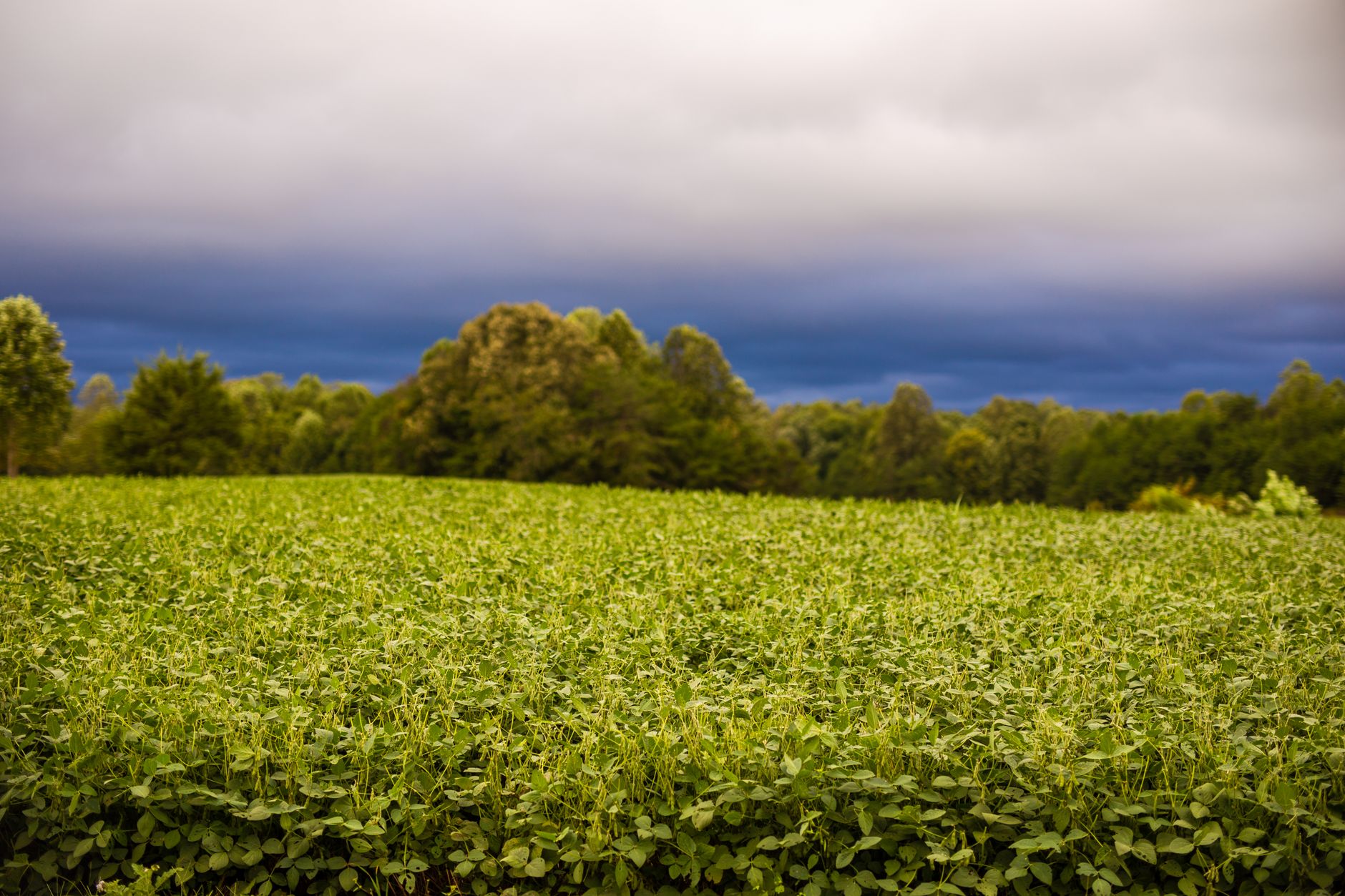
In 2026-27, 54% of the soybean oil produced in the U.S. will go to biofuels, surpassing food use for the first time. The sector expects to double its meal exports to 24 million tonnes annually within ten years.
The U.S. soybean sector reached an inflection point: in 2026-27, more soybean oil will be destined for fuel than for food. Courtney Knupp, chief executive officer of the United Soybean Board (USB), said that 54% of the oil produced by crushing plants will be consumed by the biofuel sector, compared with 48% the previous year.
“That's demand farmers can count on,” she said during a webinar organized by Agri-Pulse.
Biodiesel and renewable diesel plants today consume about 1.2 billion bushels of soybeans, whereas 20 years ago they used fewer than 100 million. “It's a market that didn't exist until soybean farmers invested their check-off program funds in it,” said Knupp. “That's what a calculated bet looks like when it pays off at the farmgate.”
Canadian canola prices are closely linked to those of U.S. soybean oil. USB expects soy to power much more than trucks within five to 10 years. “All six Class 1 railroads committed to scaling up biofuel use, and we are growing the marine, aviation, farm equipment and home heating markets,” said Knupp.
Stephen Censky, chief executive officer of the American Soybean Association, maintained that the right biofuel policies are in place and that this “has moved the needle” on soybean prices. It also led to an “unprecedented” 25% expansion of soybean crush over the past five years. “And when a new crush plant is built or crush capacity is expanded, that improves the basis for soybean farmers,” he said.
Censky said the push for sustainable aviation fuel appears to have stalled due to declining tax incentives, and he considered that the best short-term opportunity lies in the maritime sector, where there is strong interest in decarbonizing. However, he warned that proposals that discriminate against crop-based biofuels are being put forward at the International Maritime Organization. “We're working to make sure that gets done right,” he said.
Knupp recalled that biofuels are not the crop's only industrial market: there are more than 1,000 soy-based products. DeWalt sells a soy-based biodegradable chain oil at more than 1,300 Home Depot stores, and about 400 fire departments across the country use a PFAS-free soy firefighting foam.
Soy is replacing the so-called “forever chemicals” in formaldehyde, plywood and tires, and is used as a rejuvenator and binding agent in asphalt. SYNLawn has installed 100 million square feet of artificial turf made with soy, including the players' tunnel at Fenway Park and LinkedIn's offices in California.
“We're expanding soybean oil into lubricants, coatings, rubbers and plastics, and developing new uses for meal, such as wood adhesives,” said Knupp.
Jim Sutter, chief executive officer of the U.S. Soybean Export Council (USSEC), said the domestic soybean market is growing, but 54% of the crop is still exported. USSEC is trying to focus on markets that understand and value the quality attributes of U.S. soybeans.
Egypt became a major customer over the past ten years: buyers there import whole soybeans, process them, use the oil in the domestic market and sell the meal as feed for chickens and fish. USSEC is now seeking to replicate that commercial success in neighboring Algeria.
Sutter said the U.S. will need to double its meal exports to 24 million tonnes annually over the next ten years due to the crush expansion, and he does not think that will be a problem because there is abundant demand. The Philippines is the top market for U.S. soybean meal, and USSEC is making inroads in neighboring countries such as Indonesia, Thailand and Vietnam.
China is the giant of the soybean export market and recently agreed to buy 25 million tonnes of U.S. soybeans a year through 2028. Sutter believes the country will honor that commitment, though he warned that USSEC does not want to become overly dependent on China. “We just don't want too much of that market,” he said. “We want to have plenty for the rest of the world, too.”