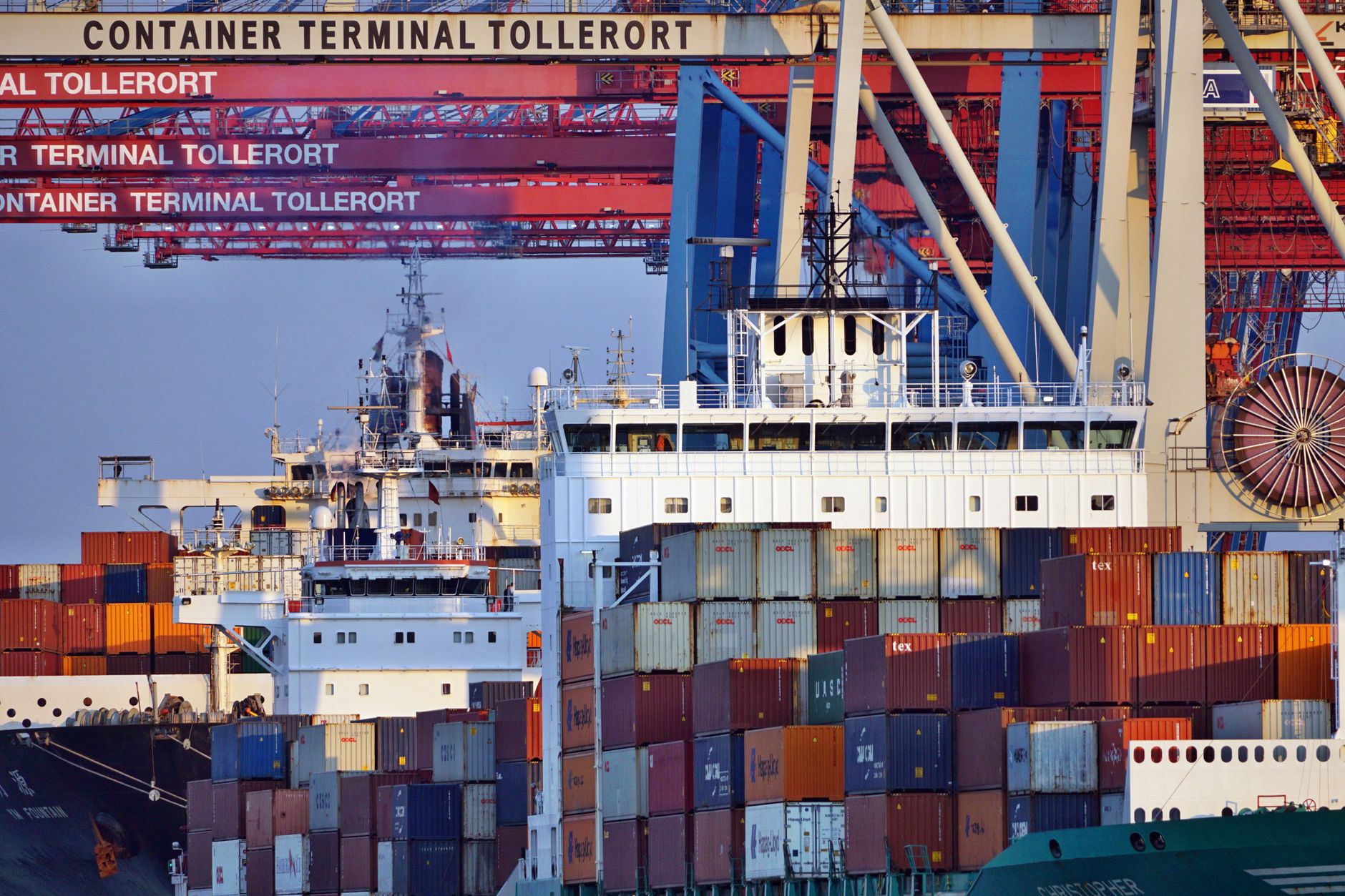

The recent US trade decision introduced tariff modifications that affect the flow of agricultural products, with immediate impact on South American exporters. Analysts agree that the measure responds more to a logic of bilateral negotiation than to an integral sectoral strategy.
The use of tariffs as a bilateral negotiation tool has once again become the central axis of US trade policy. The latest measures affect several key agricultural products, with direct effects on Latin American exporters.
The unpredictability of the decisions complicates planning of shipments and medium-term contracts.
The new round of tariffs includes temporary increases for some products and specific exceptions for others, depending on specific bilateral agreements. The exact scope varies by country of origin and tariff category.
The measures were announced with very short implementation deadlines, which generated immediate reaction from export chambers.
For South American agricultural exporters, the measure forces even greater destination diversification and reinforces agreements with Asia and Europe. It could also accelerate the review of ongoing contracts and the search for price hedging.
In the medium term, the risk is a permanent reconfiguration of global trade flows with impact on prices.