John Deere will hire more than 400 people and recall more than 275 at its Waterloo, Iowa, operations, bringing total callbacks since 2024 to nearly 1,000. It also presented a plan to consolidate its U.S. manufacturing, while tractor sales fell 16.4% year-over-year in September.
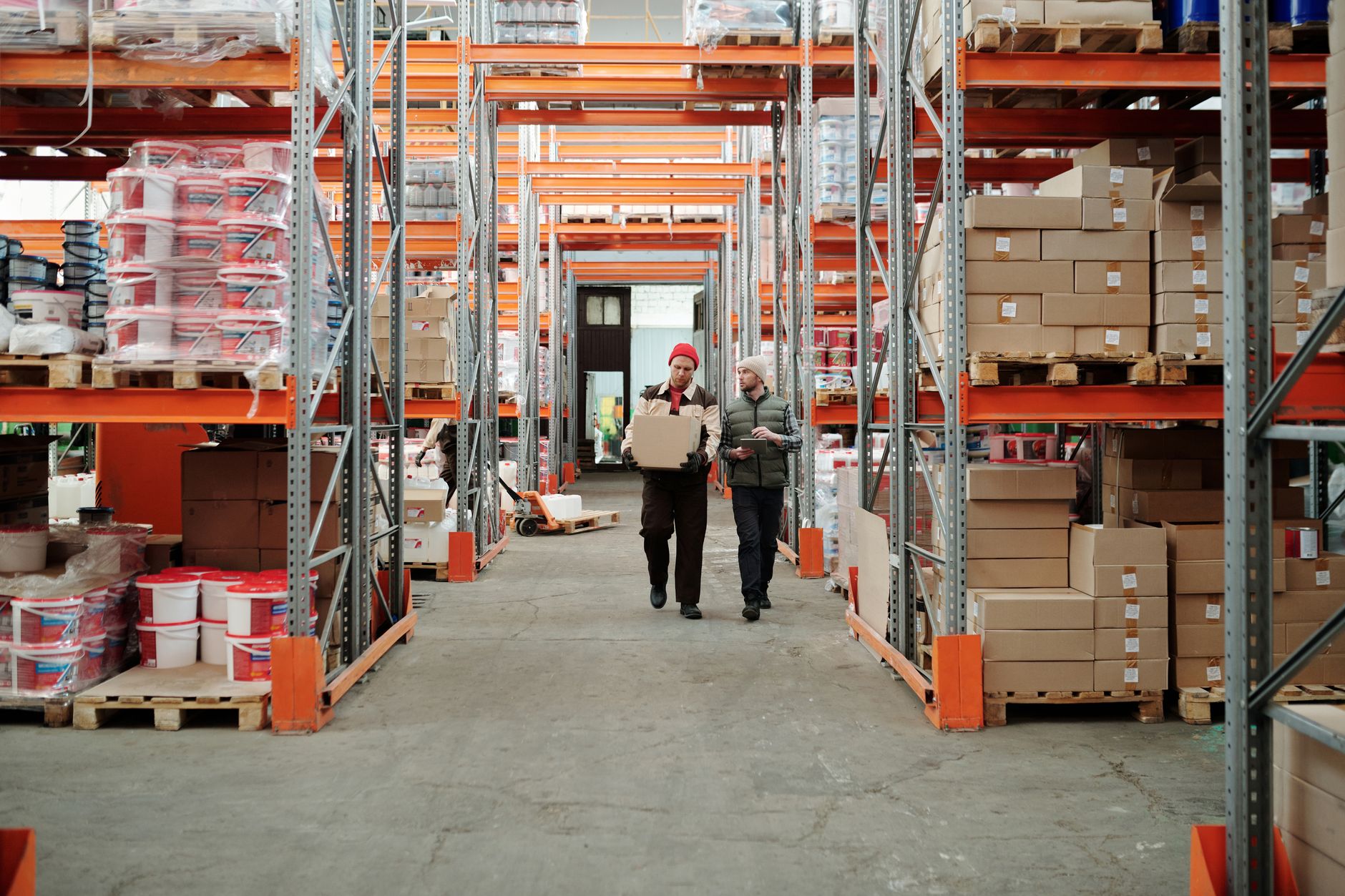
John Deere anticipates that in the coming months it will hire more than 400 people across its factories and recall more than 275 workers at its Waterloo, Iowa, operations, which would bring total callbacks since 2024 to about 1,000 employees. The announcement comes as the company presented, on Nov. 4, a long-term plan to consolidate its U.S. manufacturing capacity and align production with declining agricultural demand.
In a press release, the company said that "with these callbacks, all employees previously on layoff in Waterloo, the Quad Cities, Ottumwa, and Dubuque have been asked to return to work; approximately 125 employees remain on layoff in the Des Moines area." Facilities that will be hiring include Harvester Works in East Moline, Illinois; John Deere Seeding Works and John Deere Cylinder Works in Moline; North American parts distribution in Milan, Illinois; Davenport Works, Dubuque Works and Ottumwa Works in Iowa; and Coffeyville Works in Kansas.
The goal is to rebuild inventory ahead of labor negotiations with the United Auto Workers (UAW) union scheduled for next year. In September, when Deere recalled 375 workers in the Quad Cities, the company said that goal would allow it to weather any production disruption, such as the five-week strike in 2021 by workers represented by the UAW. Labor talks had collapsed in August.
The hiring and callbacks contrast with the weakness of the farm machinery market. According to data from the Association of Equipment Manufacturers (AEM), U.S. tractor sales fell 16.4% and combine sales declined 10.9% year-over-year in September 2026: dealers sold 15,024 tractors, versus 17,979 in September 2025, and 369 self-propelled combines, versus 414 a year earlier.
In the first nine months of 2026, tractor sales totaled 135,325 units, versus 154,869 in the same period a year earlier, a drop of approximately 12.6%, while combine sales reached 2,432 units, versus 2,683, a 9.4% decline. "September's sales underscore the difficulty in the agricultural market today," said Curt Blades, senior vice president at AEM. "We approach this harvest season with optimism for increased certainty and recovery of the farm economy."
Deere keeps its sales expectations for large agricultural equipment low for the year, given higher input costs and tariff uncertainty. By contrast, orders for construction equipment increased, largely driven by the buildout of data centers in the United States; as a result, the company raised production at its construction plants and continued producing below demand at its agricultural factories, executives said during the third-quarter earnings call.
On Nov. 4, John Deere presented a long-term plan to reorganize its U.S. manufacturing capacity. Deanna Kovar, president of the worldwide agriculture and turf division, told Successful Farming: "We announced our commitment to U.S. manufacturing through a series of moves that we think are going to help us better align our production capabilities with customer demand, make us more flexible and cost competitive, and support long-term investment. This is a consolidation of our footprint to make sure that we can build a stronger, more competitive foundation."
Kovar noted that today 75% of what the company sells in the United States is assembled in the country, and that this proportion does not change with the announcements. The company has 30,000 employees across the country, 29 facilities in Iowa with 12,000 workers and 12 in Illinois with 6,500; Ottumwa and Clarion, in Iowa, are expected to feel the greatest impact from the changes.
Despite the consolidation, Deere continued hiring. "We've called back over 1,000 employees from layoffs over the last two years, and we're going to be hiring some additional employees because we want to make sure we can deliver what our customers are demanding of us," Kovar said. The executive stressed that the reorganization is not a response to seasonal fluctuations: "This is part of a long-term strategy. We've been investigating our options for a few years, and these aren't easy decisions, but we know that we have more capacity than we need. We needed to figure out which facilities had the best long-term opportunity to remain flexible and cost-competitive for us, to make sure that we are future-proofing our company. It allows us to continue to be competitive, to make sure that we can continue to invest in the innovation farmers are looking for."