Missouri farmers report good corn and soybean yields, but diesel is up almost $3 per gallon and fertilizer has reached levels not seen since 2022, cutting into profitability in a sector that contributes more than $93 billion a year.
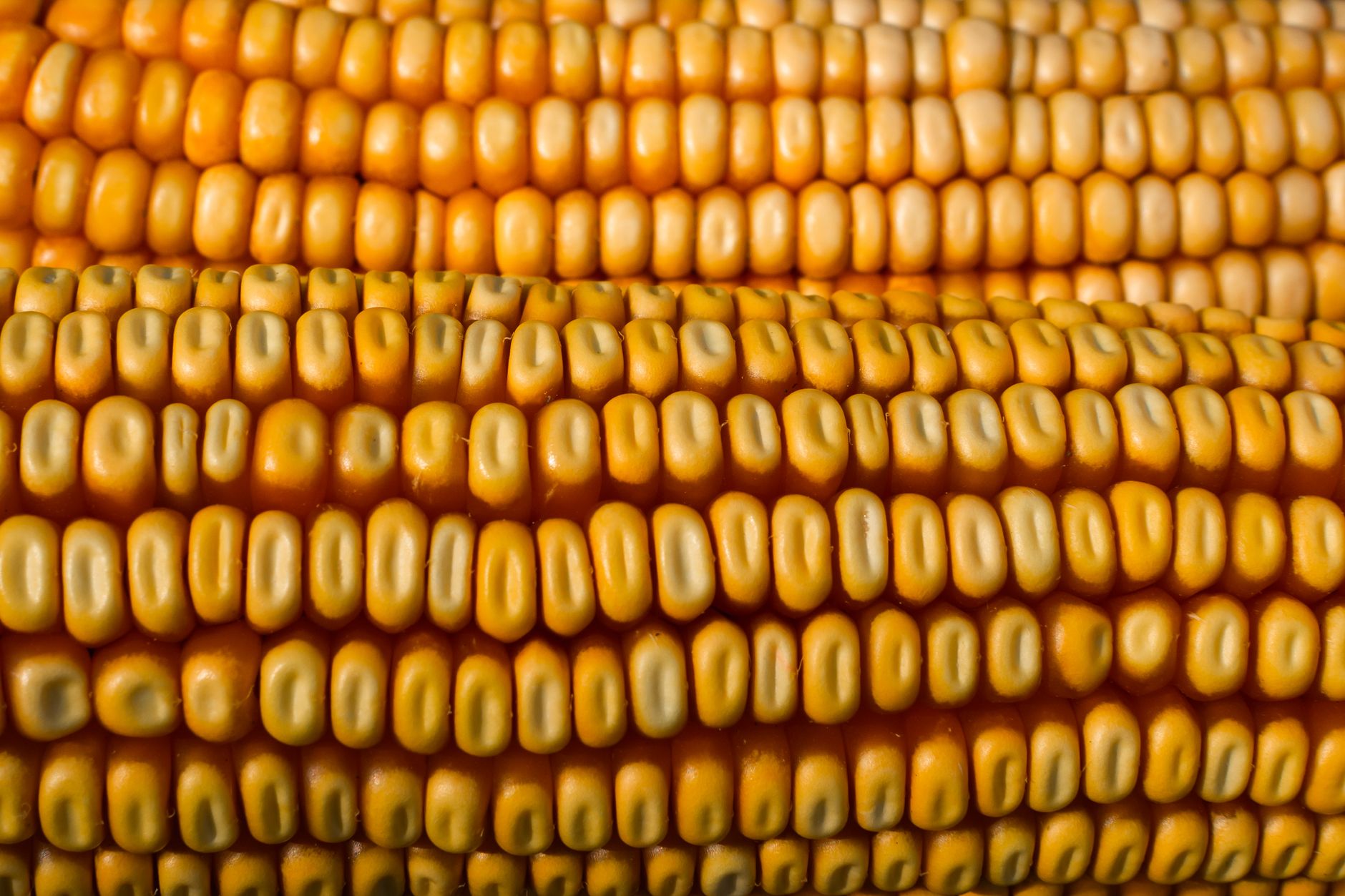
On a farm in Pike County, Missouri, Christopher Hudson harvests corn and soybeans for every hour the day allows. Agriculture, Missouri's leading industry, contributes more than $93 billion a year, which makes harvest season a decisive moment for farmers, rural economies and the region's economic health.
“We're going to have good yields, but we're still not going to make a lot of money,” Hudson said. “Between fuel and fertilizer, it's been a costly year.”
Diesel has risen almost $3 per gallon since the start of the year. The war in Iran contributed to high fuel prices around the world, and a particular cost burden fell on farmers when diesel and fertilizer prices spiked. An average corn or soybean farm uses between 3 and 9 gallons of diesel per acre in a single season, pushing expenses up by thousands of dollars. Meanwhile, fertilizer has reached levels not seen since Russia invaded Ukraine in 2022, which led some producers to rethink and reduce certain fertilizers that Hudson and other corn growers typically use.
At this time of year farmers consume the most diesel of the entire year as they harvest, process and transport the crop. In late September, Missouri Governor Mike Kehoe signed an executive order declaring a state of emergency for farmers in the middle of harvest. Kehoe suspended restrictions on red-dyed diesel, a tax-exempt fuel intended for off-road use, and weight limits for agricultural vehicles on state highways and local roads.
However, this year's increases were not the beginning. High input costs and thin profit margins are common, which makes any additional pressure even more impactful. “Of course it's stressful, yes,” Hudson said. “Basically, you plant seeds and pray for rain; that's what it comes down to.”
Major investments and preparation for the season take place before spring, but farmers don't start to see returns until fall, or even later. Hudson stores much of his grain and sells it once harvest is over and commodity prices rise, which usually happens a year or more after he signed the first check for inputs and materials.
“Financially, it's an asset trap business,” Hudson explained. “Most people don't have that kind of capital available. That's why there's so much financing in the agriculture industry.”
The farming business is always uncertain, but geopolitical events, trade wars or extreme weather can make the return on investments less predictable. “It's the difference between risk and uncertainty,” said David Spielman, a professor and agricultural economist at Washington University in St. Louis, focused on the relationship between policy, agriculture and public health. “With risk, we know the probability that something will happen and we generally know how big or how small the damage could be, right? With uncertainty, we don't even know the probability, much less the magnitude of the hazard.”
Risk does not affect only rural economies. As Missouri's main economic engine, farms have a presence in every industry: retail, manufacturing, energy and transportation are some of the sectors connected to agriculture that can be affected by its success or failure. “In that sense, it has this multiplier effect, or what we call forward and backward linkages,” Spielman said. “Food and agriculture punch above their weight in our economy.”
Like many farmers, Hudson has a second job and diversifies his income: he sells inputs such as seeds and fertilizer to other farms in the area. “The reason I'm optimistic is that every year is a new year and a learning experience,” he said. “This is the time of year when some of those things we've been watching all year show the proof.” Over the past 10 years, his yields have become more consistent and have grown, and he says this season's harvest has been decent; he credits precision agriculture, better management practices and changes in his planting windows.
Although there are government programs and federal crop insurance to cushion major losses, they are not farmers' first option. Hudson says that if he turns to insurance, he is simply taking a smaller loss. Spielman's research focuses on technological solutions to combat risk, including diversification, farm management and improved plant genetics. In 10 more years, farming could look different: the industry is also seeing greater consolidation and automation. “There's no single strategy to keep it going. I think that's the point. Our farms are essential to our culture, our livelihoods and our food system in Missouri,” Spielman said. “It's very clear that things will have to change. Now, in what direction do you go? That's a good question.”