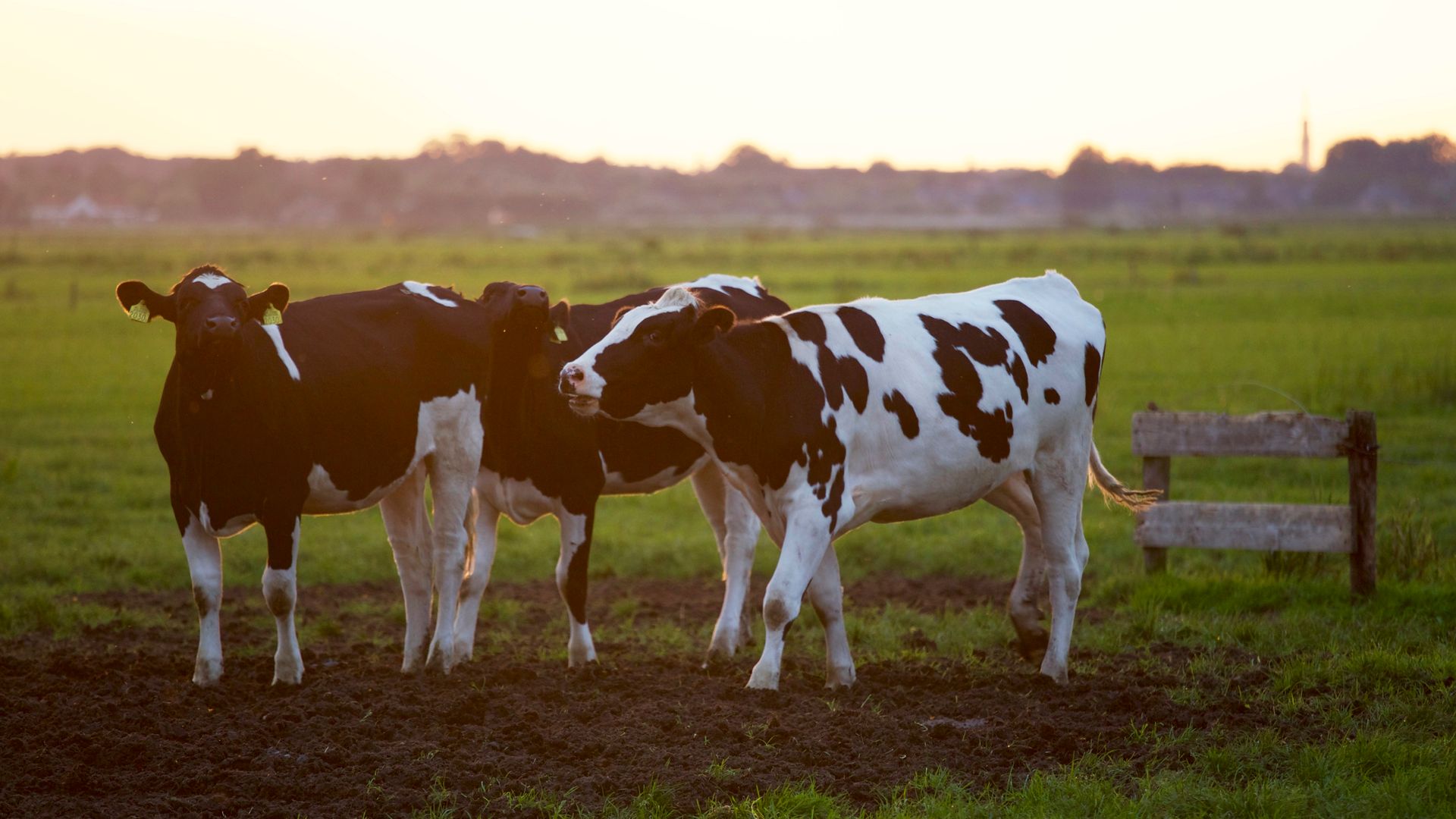

A crisis in the availability of balanced feed in Mongolia is causing massive mortality among farm animals in the middle of the winter season. The episode exposes the vulnerability of forage supply chains in Central Asia and reopens the debate over dependence on grain imports.
Mongolia is going through one of the harshest winter seasons of recent years, with extreme temperatures that already exceed historical records in several northern provinces. The combination of a particularly severe dzud and failures in feed supply has put a significant portion of the national herd at risk.
The country depends heavily on forage grain imports from Russia and Kazakhstan, and any disruption in those chains quickly translates into losses for small producers.
Local livestock organizations estimate mortality has exceeded 2.5 million head among sheep, goats and cattle, with especially severe effects in the provinces of Khövsgöl and Zavkhan. Producers interviewed reported being unable to access hay bales and concentrates in time.
The Mongolian government declared emergency zones in five provinces and announced an international aid package for feed acquisition, although the first deliveries are being delayed by logistical reasons.
The episode brings back the discussion about the need to diversify forage supply sources in Central Asia and to develop regional strategic reserves. For grain exporters, Mongolia could become an emerging emergency market in the coming months.
At the regional level, the crisis underscores the importance of monitoring climate conditions in the Eurasian steppe as a key variable for animal protein trade flows.