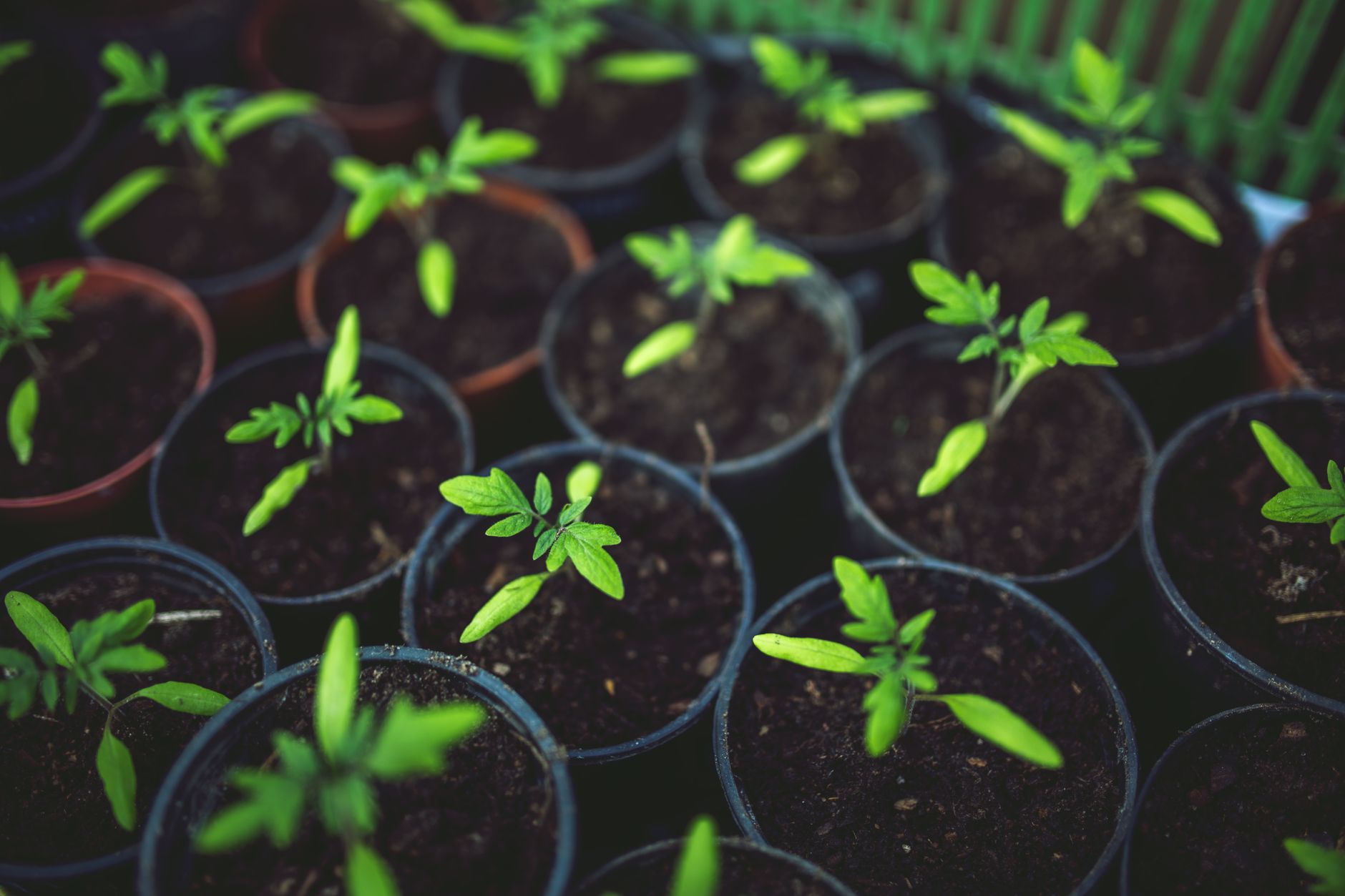
The government of Chubut reported that in 2026 it has already planted more than 130,000 native trees in the mountain range to restore burned forests. Greenpeace counted 60,845 hectares burned between October 2025 and March 2026, of which 60,304 were in Chubut.
After a fire season that razed thousands of hectares of forest in Patagonia, Chubut is moving forward with the restoration of those ecosystems by planting native species. The provincial government reported that so far in 2026 more than 130,000 trees have been planted in different areas of the mountain range, while it plans to double the capacity of the Lemu Forestry Nursery to sustain the work in the coming years.
According to a survey by Greenpeace, between October 2025 and March 2026 fire consumed 60,845 hectares of Andean-Patagonian forests, of which 60,304 corresponded to Chubut. Against that backdrop, Governor Ignacio Torres highlighted the joint work of the Secretaría de Bosques, the ProCLIM-AR Consortium and the communities: “The Secretaría de Bosques, the ProCLIM-AR Consortium and the communities of the province of Chubut are working together to recover our native forest.”
“In addition to preventing, we must work to recover something that is the heritage of all Argentines, which is our native forests,” stressed Torres, referring to the need to complement firefighting and fire prevention with restoration actions. The tasks are part of the Provincial Restoration Program and the ProCLIM-AR project, which coordinates the work of public agencies, local communities and environmental organizations.
The work is concentrated in five areas of the mountain range: the Lago Epuyén Multiple-Use Forest Reserve, Laguna Los Alerces and the Río Turbio, Río Tigre and Cerro Currumahuida provincial reserves. Site selection is not random: before each intervention, technical teams assess the degree of soil degradation, the presence of native and invasive exotic species, and the possibilities for natural regeneration in each environment. Planting and conservation strategies are defined on the basis of those assessments.
One of the most complex operations took place in the Río Turbio Provincial Reserve, on the southern bank of the Jara stream. There, some 20 hectares were treated in a hard-to-reach area, where arriving overland means covering approximately 30 kilometers of dense forest over two days. For that reason, the seedlings were transported by helicopter. According to a report by the outlet La Política Ambiental, more than 20,000 coihue specimens were planted, distributed in small clusters that take advantage of the protection of burned trunks and surviving shrubs to reduce exposure to wind and solar radiation.
Another challenge is having enough native specimens. To that end, the government plans to expand the Lemu Forestry Nursery, located in El Maitén, inaugurated in April 2025 as the first provincial facility dedicated specifically to producing native species to restore areas degraded by fires. It currently has a capacity of approximately 70,000 seedlings, which the authorities aim to raise to 140,000 through an expansion of its facilities.
The facility was developed under the ProCLIM-AR project and an agreement with Fundación Vida Silvestre Argentina, within a cooperation framework between Argentina and Germany linked to the International Climate Initiative (IKI), with the participation of the German cooperation agency GIZ, Fundación Vida Silvestre Argentina, Fundación AVINA and ReforestArg.
However, planting trees does not mean the forest is already restored. Experts warn that restoring the Andean-Patagonian ecosystems may take several decades and that its success will depend on the survival of the specimens, weather conditions, water availability and the prevention of new fires.
Along those lines, the campaign led by Fundación Vida Silvestre Argentina already envisaged a long-term monitoring scheme, with some 30 plots designed to assess how many seedlings survive, how they grow and what damage they may suffer. That initiative, presented in September, envisaged the planting of 109,100 native specimens — cordilleran cypresses, coihues and alerces — across some 127 hectares affected by fires, mainly those that occurred during 2014 and 2015.