
Conab estimates Brazil's 2026/27 sugarcane crop at 705.2 million tonnes (+4.7%), but part of that volume may be left unprocessed. Itaú BBA projects an average operating margin of 23% for Center-South mills, the lowest in ten years.
In UDOP, economist Arlélio Leite dos Santos raises a question that should frame the sector's next meetings: how much of the available cane will reach the mill in time to turn into cash this cycle? And, in addition: what level of quality will the standing cane left available for industrial processing in 2027/28 have?
Conab estimates the Brazilian 2026/27 crop at 705.2 million tonnes of cane, a volume 4.7% above the previous cycle. The growth combines a 1.1% expansion in the harvested area, to 9.1 million hectares, with a 3.6% rise in average productivity, projected at 77.9 tonnes per hectare. These are the most recent official figures (Conab's next survey is not due until December) and they reinforce the perception that a larger crop should produce a better result. The conclusion seems intuitive. The problem is that a relevant part of that cane may not even make it into the crush this cycle.
In the Center-South, estimates of standing cane (raw material that remains in the field to be processed in the following crop) do not agree. StoneX cited 22 million tonnes. Canaplan worked with a range of 30 million to 50 million. Datagro, in October, pointed to 34 million left for 2027. There is no single official number. There is an operational fact the board cannot ignore: cane that is not crushed this cycle does not turn into cash this cycle. That, more than the record on paper, is what should be at the center of the board meeting.
Brazilian agribusiness has a recurring tendency to confuse physical growth with value creation. When projections improve, attention turns to tonnes, crush, productivity and use of installed capacity. All of that matters. Production is volume. Margin is value. The two can move together, but they have no automatic relationship. The sector tracks daily what it can easily measure — tonnes processed, ATR, industrial availability, agricultural yields. Margin only appears at the end of a process made up of hundreds of decisions. That is why it is often treated as an inevitable consequence of growth, when it should be the main objective.
Conab's projection has a particularly positive aspect: much of the growth comes from productivity, not only from area. In theory, it is the best kind of growth. The same structure produces more without expanding fixed costs in the same proportion, dilutes expenses and gains competitiveness. The market, however, tends to celebrate productivity as if it were profitability. It is not. Productivity creates value potential. Turning that potential into results is another stage.
Between the additional tonne in the survey and a few more reais of margin, this crop has made visible the whole chain that lies in between. Out-of-season rains delayed the harvest in the Center-South. In October, Datagro recorded an average of 28.6 days of interruption in the region, 15 days above what is usual for the period, and spoke of a delay in the order of 50 million tonnes. Part of that volume can still be recovered if the crush extends, as is already expected at several mills, into the second half of December. Another part tends to stay in the cane fields.
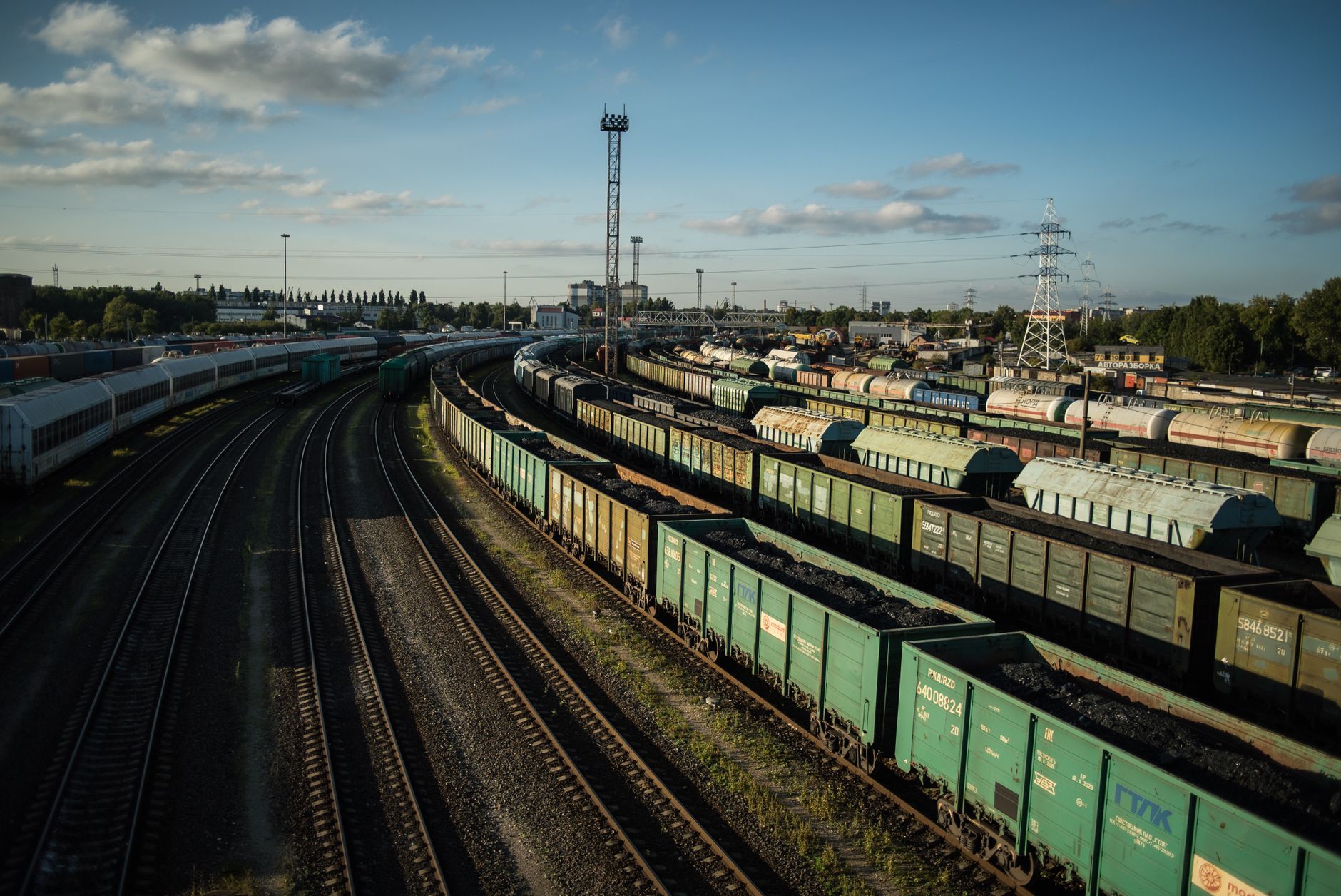
When cane remains in the field, the raw material ages, ATR levels suffer, wet soil increases the risk of compaction and damage to ratoons, and the following cycle starts with less growing time — especially if the crush runs into December. Canaplan has already flagged ATR below what was forecast for this crop. Some groups admit to leaving selected volume for next year. Standing cane is not automatically additional production in the future. Part of it can lose quality. Part of it costs money while it waits. The agricultural outlay has largely already been made; the revenue is left for the following cycle. Capital standing still in the cane fields is capital that does not enter the cash position — and, with interest rates still high, that wait has a price.
The mix makes the same point even clearer. Although total cane production advances, the end products do not move in the same direction. Conab projects 42.89 million tonnes of sugar in the 2026/27 crop, a 2.9% contraction, and 29.98 billion liters of cane-based ethanol, a 9.7% increase. The same raw material now competes across different markets, costs and payment terms. Few segments have the operational flexibility of mills to redirect production. Industrial flexibility, however, is not economic flexibility. Producing more of one product simply because the mill can do so does not mean producing more value. The real gain emerges when technical capacity becomes an economic choice — including how long to crush, what to leave in the field and how much capital each destination ties up.
The sector talks a lot about productivity and little about capital allocation. It is capital, however, that separates activity from results. A larger crop requires more transport, maintenance, storage, inputs, specialized labor and, above all, more working capital. Before the revenue arrives, the outlays have already happened. The larger the volume, the greater the resources needed to sustain the operation. If part of the cane is left for later, this cycle's agricultural bill finances cash that only materializes in the next one.
That bill becomes harsher with interest rates where they are. Copom held the Selic at 13.75% a year at its November 4 meeting, and the November 16 Focus survey preserved that median for the end of 2026 while raising the 2027 median from 12.50% to 12.75%. For many years, inventories, payment terms and tied-up resources could be treated as secondary issues. When the cost of money stays high for longer, idle capital becomes a direct component of the margin. Standing cane, ethanol stocks and accounts receivable all enter the same calculation — and interest relief, if it comes, will only show greater force at the end of 2027. That is why apparently correct decisions can produce economically poor results. A cheaper supplier may require larger inventories. A lower-priced item may have lower operational reliability. Deferred maintenance can improve cash now and raise the risk of unavailability later. A discounted purchase can tie up resources that would yield more elsewhere in the operation. Crushing too fast, on still-wet soil, can protect this crop's volume and harm next year's ratoon. Leaving cane in the field can preserve the cane fields and transfer quality and cash to a worse calendar, even with high interest rates.
Each of those decisions tends to look efficient when viewed in isolation. Purchasing reduces the average price. Operations increases production. Maintenance controls expenses. Finance protects cash. All of them present positive indicators. Even so, the organization can close the crop with a margin below expectations. That is one of the most perverse effects of fragmented management: departments produce local efficiency while the system loses economic efficiency.
The counterargument is strong and should not be ignored. Larger crops normally dilute fixed costs, broaden the use of assets and tend to improve profitability. It would be as wrong to see a threat in every expansion as to see automatic prosperity in every productivity gain. Part of the standing cane, if harvested at the right time and with quality, can even help at the start of 2027/28. That does not turn the volume left in the field into an early result. The productivity gain needs to survive costs, logistics, capital, financial expenses, commercial choices and, in this crop, the harvest delay. It needs to arrive alive in the cash position.
It is no coincidence that, this same week, Itaú BBA has begun projecting an average operating margin of 23% for Center-South mills in this crop, the lowest in ten years, after deducting field operations and inter-crop maintenance. The squeeze, in the bank's reading, comes above all from sugar and ethanol prices. For the board, the point is complete: even with a larger crop on paper, volume and productivity are not enough to sustain the margin. The cane that remains in the field does not ease that calculation; it merely pushes cash, ATR and ratoon risk into a cycle that will still find high interest rates.
The 2026/27 crop needs to be read through two lenses at the same time. The physical one — productivity, ATR, crush, industrial efficiency and the volume that may remain in the field. And the economic one — contribution margin, return on capital, financial cost, working capital needs and effective cash generation. When the two advance together, there is value creation. When they separate, someone captures the productivity gain before it turns into a result.
The growth projected by Conab is real. The mistake would be to turn it into a certainty of profitability. The sector has already seen good crops produce disappointing results when the focus stayed on volume and not on the economic quality of production. Producing more is an agronomic and operational achievement. Turning that growth into margin is a management achievement. Those answers, more than the number of tonnes announced, will define the winners and losers of the next cycle.