Julia Ponce raises between 30 and 35 mother goats near Icaño, Santiago del Estero, and makes tinctures from plantain, chañar and eucalyptus to treat distemper and disinfect wounds. Part of the kids are sold and the rest go to family consumption.
Julia Ponce keeps between 30 and 35 mother goats on her family's farm near Icaño, Santiago del Estero. In the morning she lets them out to feed in the bush; when there are algarroba pods, the family gathers them and stores them to use as forage in winter. From that same bush, the 23-year-old takes plants to prepare tinctures that she then uses in caring for the animals.
"What we make is tinctures. Plantain tincture, chañar tincture and eucalyptus tincture," Julia told Bichos de Campo during a gathering of goat producers in Quilino, in northern Córdoba. She explained that they use the eucalyptus one for what she calls "distemper" and the plantain one to disinfect and care for wounds.
Her grandparents raised sheep; goats came into the family production about fifteen years ago. Today the family has criolla-breed animals and has brought in some Boer genetics with the idea of improving meat quality.
They produce the way it is done deep in the bush: newborn kids stay in a pen near the house while the mothers go out to the bush to feed. When supplementation is needed, they give them sorghum or corn. Some goats give birth twice a year and some have two or three offspring per birth; in those cases the problem is milk, so they switch the older kids to another mother so that the youngest get their daily ration.
When the kids are ready, part of the production is sold and another part goes to family consumption. "We don't buy meat," says Julia: between the goats and the chickens they cover the demand of their household.
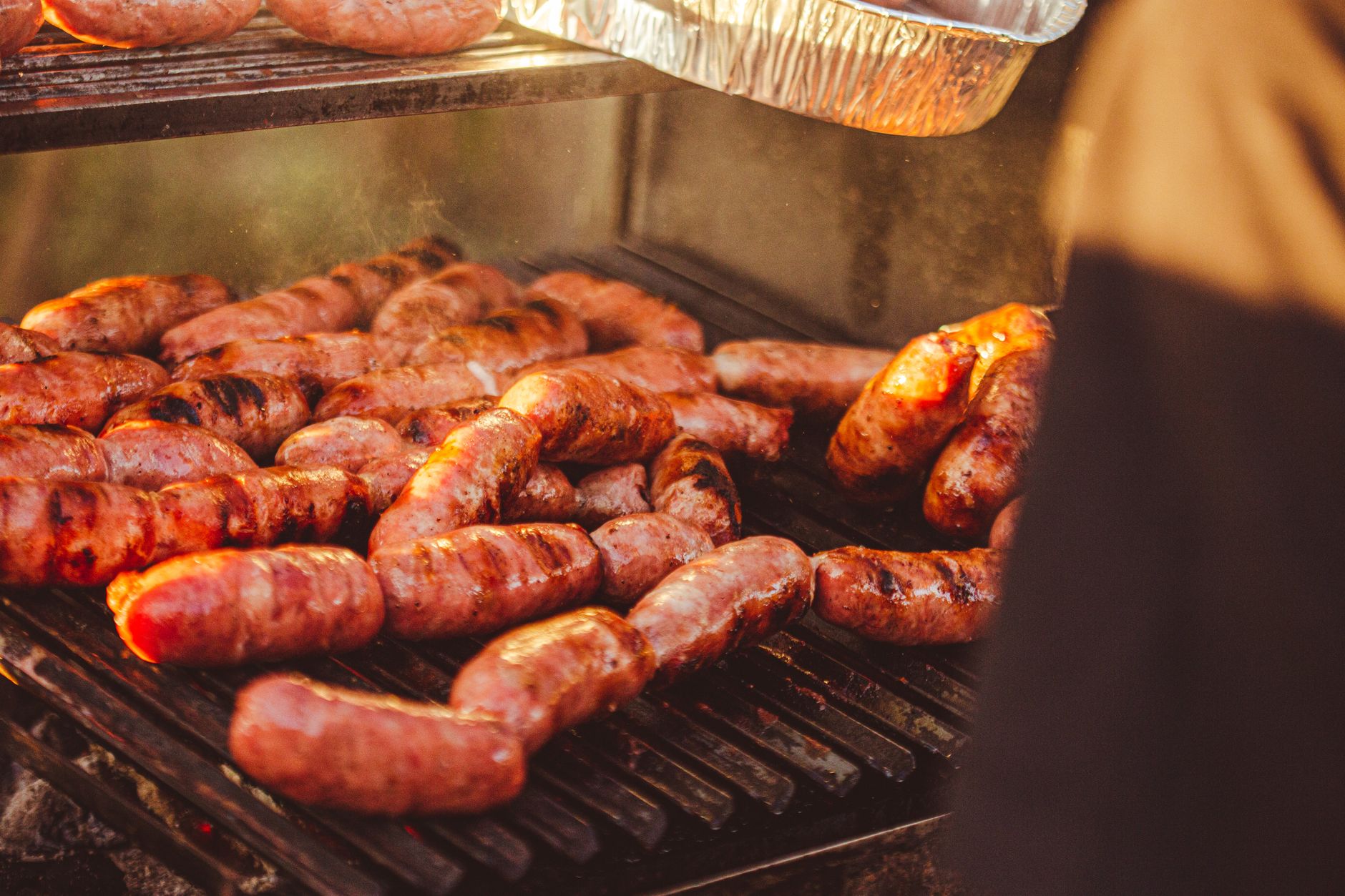
The young woman is also learning what else can be done with the meat, especially with that of cull or discarded goats. At a recent event organized by the Instituto de Cultura Popular (INCUPO) she took part in a workshop where goat sausages, escabeches and burgers were prepared; at her home they have not yet started making cured meats, but she already has an idea of how to do it.
What is still to be resolved is how to make the numbers add up. Julia says the farm demands time and that, at the same time, another job is needed to have a minimum quality of life. To improve the situation of small producers, she talks about organizing a little more and gets concrete: "We have to think about how to sell."
At 23, Julia imagines herself continuing to do the same as she does now and does not want to change activity. "I really like the countryside," she says, and when they ask her what keeps her there the most, she points to what she has closest to her every day: her own animals.